In heavy industrial production, “wear and tear” has always been a core pain point restricting equipment life and increasing operating costs. Especially in scenarios such as mining, construction crushing, and metallurgical transportation, equipment components collide and rub with high-hardness materials all year round, and ordinary materials often cannot withstand high-frequency loss. The high-manganese steel composite material inlaid with titanium carbide, relying on the golden combination of “high-manganese steel tough matrix + titanium carbide super-hard wear-resistant layer”, perfectly overcomes the difficult problem of balancing “impact resistance” and “wear resistance”, and has become the preferred material under many severe working conditions. Today, we will elaborate on its core application scenarios.
I. Mining Machinery: “Hardcore Protection” Facing Ore Impact
The mining operation environment is harsh, and the high hardness and high impact force of ore have extremely high requirements on the wear resistance of equipment components. The high-manganese steel material inlaid with titanium carbide plays an irreplaceable role here and is the key to improving the service life of mining equipment.
1. Core Components of Crushers (Liner Plates, Jaw Plates, Hammerheads)
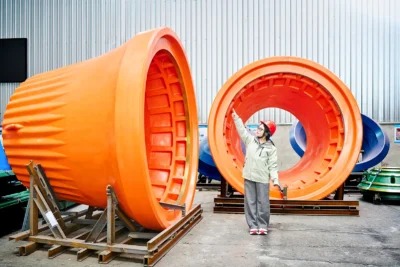
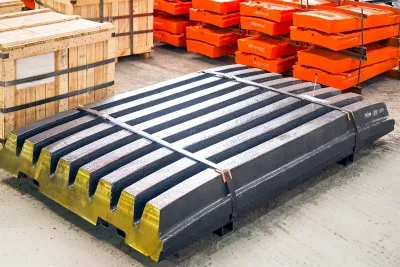
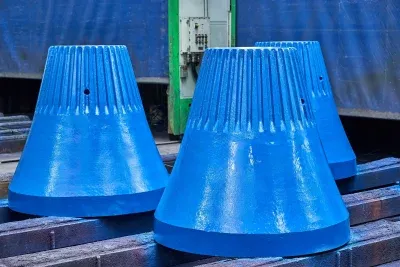
The jaw plates of jaw crushers, liner plates of cone crushers, and hammerheads of impact crushers are all core wearing parts that directly collide with ore “head-on”. Traditional high-manganese steel components are prone to local wear and deformation under long-term impact and grinding when processing hard rocks such as granite and basalt, requiring frequent shutdowns for replacement, which seriously affects production efficiency. However, high-manganese steel components inlaid with titanium carbide are precisely inlaid with titanium carbide wear-resistant strips or blocks on the working surface. They can not only rely on the high toughness of the high-manganese steel matrix to resist the violent impact of ore but also isolate abrasive cutting through the super-hard titanium carbide layer. The service life is 3-5 times longer than that of pure high-manganese steel, greatly reducing operation and maintenance costs.
2. Ball Mill Liner Plates and Grinding Balls
The ball mill is the core equipment for ore grinding. The inner liner and grinding balls need to withstand the dual grinding and impact of steel balls and ore at the same time. Liner plates made of high-manganese steel inlaid with titanium carbide can form a stable wear-resistant barrier in the grinding area, avoiding excessive thinning of the liner plates; grinding balls with titanium carbide inlaid on the surface have higher hardness and lower wear rate, especially suitable for hard rock grinding scenarios such as iron ore and gold ore. They can not only extend the service life of consumables but also reduce grinding energy consumption and improve grinding efficiency.
3. Middle Trough and Scraper of Scraper Conveyor
During the underground transportation of coal and ore, the middle trough and scraper of the scraper conveyor rub against gangue and sediment for a long time, and at the same time bear the periodic impact of the chain, leading to frequent wear and breakage problems. The middle trough of high-manganese steel inlaid with titanium carbide is laid with a titanium carbide wear-resistant layer at the key parts where the trough body contacts the material, which can effectively resist material erosion and wear and avoid material leakage from the trough body; the scraper inlaid with titanium carbide can improve the wear resistance of the head and extend the service life of the equipment in the harsh underground environment.
II. Construction Engineering Machinery: “Durable Responsibility” Adapting to Crushing and Shovel Transportation
Crushing, screening, and shovel transportation equipment in construction engineering handle concrete blocks, crushed stones, construction waste, and other materials all year round, and the components wear quickly. The application of high-manganese steel material inlaid with titanium carbide can significantly improve the durability of the equipment and ensure the project progress.
1. Impact Crusher Hammerheads
The hammerhead is the core wearing part of the impact crusher, responsible for crushing materials by high-speed impact. Traditional high-manganese steel hammerheads suffer severe head wear and high replacement frequency when processing high-hardness construction waste. High-manganese steel hammerheads inlaid with titanium carbide adopt a titanium carbide composite layer on the impact surface of the hammer body, taking into account the toughness of high-manganese steel and the wear resistance of titanium carbide. Even in high-intensity crushing operations, they can maintain stable crushing efficiency, reduce the number of replacements, and lower equipment operation and maintenance costs.
2. Loader Bucket Teeth and Cutting Edges
When loaders shovel and transport sand, soil, and ore, the bucket teeth and cutting edges directly cut into the material, bearing severe cutting and impact wear, and are among the most easily worn components of the loader. Bucket teeth made of high-manganese steel inlaid with titanium carbide are inlaid with titanium carbide wear-resistant blocks at the tooth tips, which can accurately improve the wear resistance of the easily worn parts and avoid premature breakage and wear of the bucket teeth; after the cutting edges are inlaid with titanium carbide, the cutting resistance is smaller and the wear life is longer, especially suitable for high-intensity working conditions such as mining stone shoveling and infrastructure earthwork operations.
III. Metallurgical and Power Industries: “Long-Lasting Guardian” Resisting High-Temperature Corrosion
In the metallurgical and thermal power generation fields, equipment not only has to bear abrasive wear but also faces the dual tests of high temperature and corrosive media. The combined advantages of corrosion resistance and wear resistance of high-manganese steel material inlaid with titanium carbide are prominent here.
1. Metallurgical Sintering Machine Grate Bars
The working environment of sintering machine grate bars is extreme. They need to bear the impact and wear of sinter under high temperature (about 1000℃) and be corroded by high-temperature flue gas at the same time. Ordinary materials are prone to deformation, corrosion, and fracture in this environment. However, the high-manganese steel matrix has good high-temperature toughness, and the inlaid titanium carbide layer has strong chemical stability, which is not easy to react with corrosive components in high-temperature flue gas. It can significantly extend the service life of the grate bars, reduce the number of shutdowns and maintenance of the sintering machine, and ensure the continuous operation of metallurgical production.
2. Coal Drop Pipes and Guide Chutes in Power Plant Coal Handling Systems
In the coal handling system of thermal power plants, the inner walls of coal drop pipes and guide chutes are subject to long-term high-speed scouring by coal particles, especially at the discharge ports where wear is the most serious. Once the pipe wall is worn through, it will lead to coal leakage and shutdown. The wear-resistant liner plates made of high-manganese steel inlaid with titanium carbide are laid on the inner walls of coal drop pipes and guide chutes, which can form a strong anti-scouring protective layer, avoid wear and damage of the pipe wall, ensure the stable operation of the coal handling system, and reduce the workload of maintenance.
IV. Other Special Working Conditions: Expanding the Application Boundary of Wear-Resistant Materials
In addition to the above core fields, the high-manganese steel material inlaid with titanium carbide is also suitable for many special wear-resistant scenarios relying on its excellent comprehensive performance:
Dredging Engineering Cutter Teeth: When dredgers dredge rivers and ports, the cutter teeth need to cut underwater sediment and pebbles, bearing sediment scouring and pebble impact. High-manganese steel cutter teeth inlaid with titanium carbide have stronger wear resistance, can adapt to complex underwater working conditions, and extend the service life of the cutter.
Sand and Aggregate Production Line Sand Making Machine Impellers: When the sand making machine impeller rotates at high speed, materials are accelerated and impacted to break in the impeller, and the impeller channel is easily worn by materials. The impeller made of high-manganese steel inlaid with titanium carbide can improve the wear resistance of the channel, avoid the impact of impeller wear and deformation on crushing efficiency, and extend the equipment service life.
Mining Tunnel Boring Machine Picks: When boring machine picks break rocks and soil, they bear severe impact and abrasive wear. High-manganese steel picks inlaid with titanium carbide can maintain the toughness of the picks and improve the wear resistance of the pick heads, reduce pick loss, and improve boring efficiency.
Conclusion: Why Can High-Manganese Steel Inlaid with Titanium Carbide Adapt to Multiple Scenarios?
The core competitiveness of high-manganese steel inlaid with titanium carbide lies in accurately making up for the defects of a single material: it not only solves the problem of insufficient wear resistance of pure high-manganese steel under high-hardness abrasive working conditions but also overcomes the shortcomings of pure titanium carbide ceramic materials such as high brittleness and poor impact resistance. The combination of “tough matrix + super-hard wear-resistant layer” allows it to calmly cope with various severe working conditions such as impact, grinding, high temperature, and corrosion.
From mining to construction engineering, from metallurgical sintering to power plant coal transportation, and then to special dredging and tunnel boring, high-manganese steel inlaid with titanium carbide is becoming a key choice for the upgrading of heavy equipment. By extending component life and reducing downtime, it helps industrial production reduce costs and increase efficiency, and promotes technological upgrading in the field of wear-resistant materials.