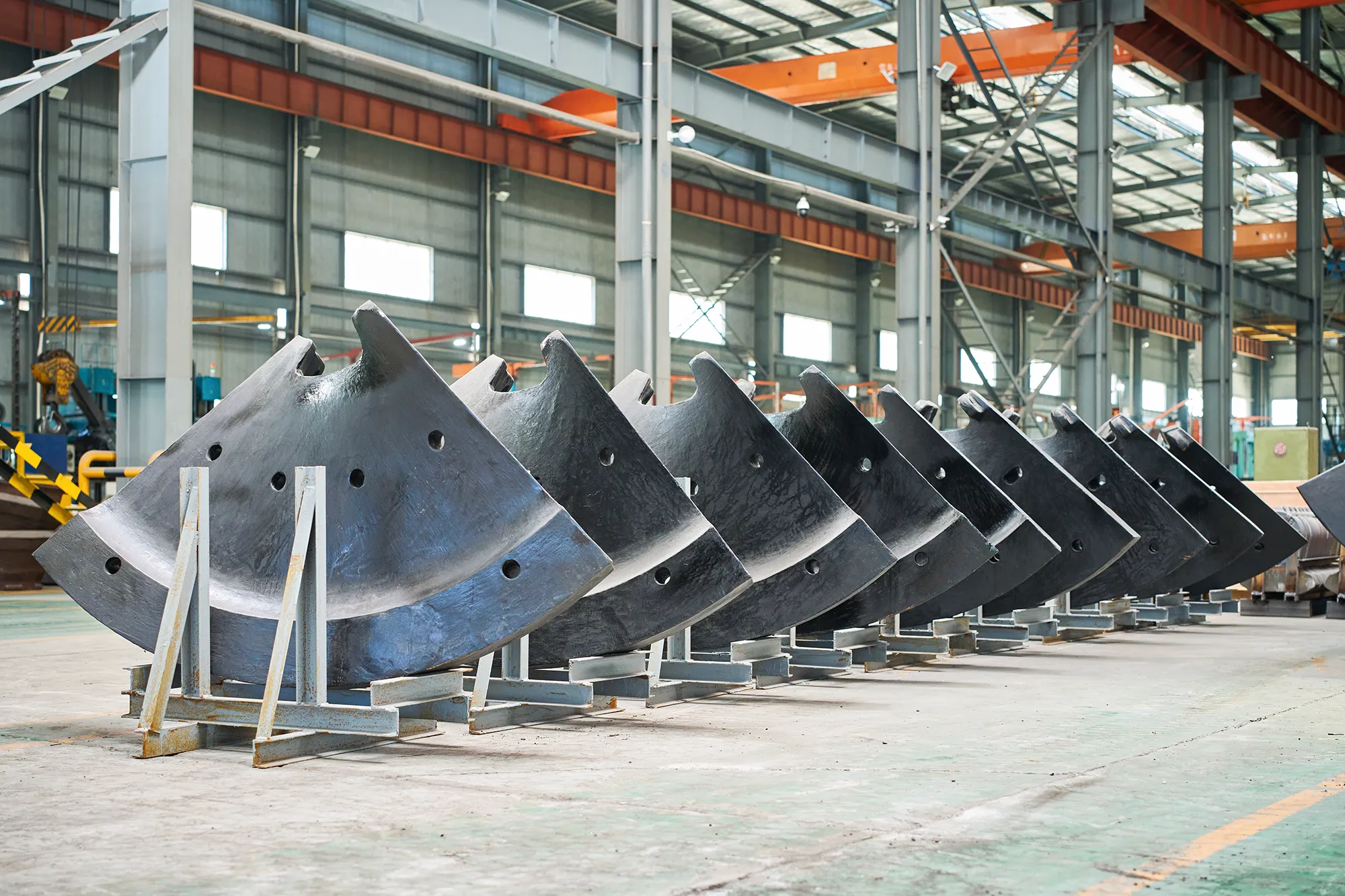
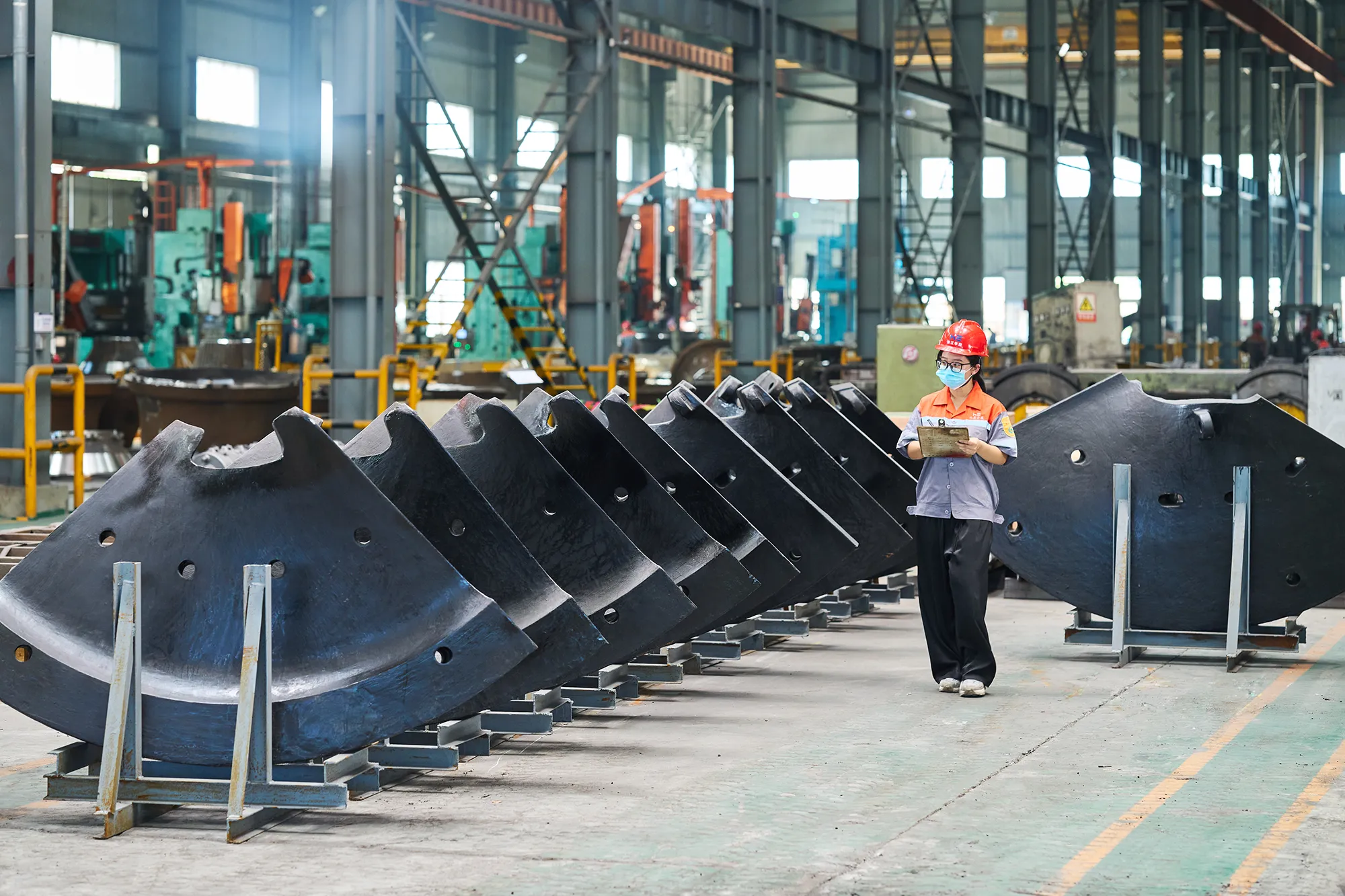
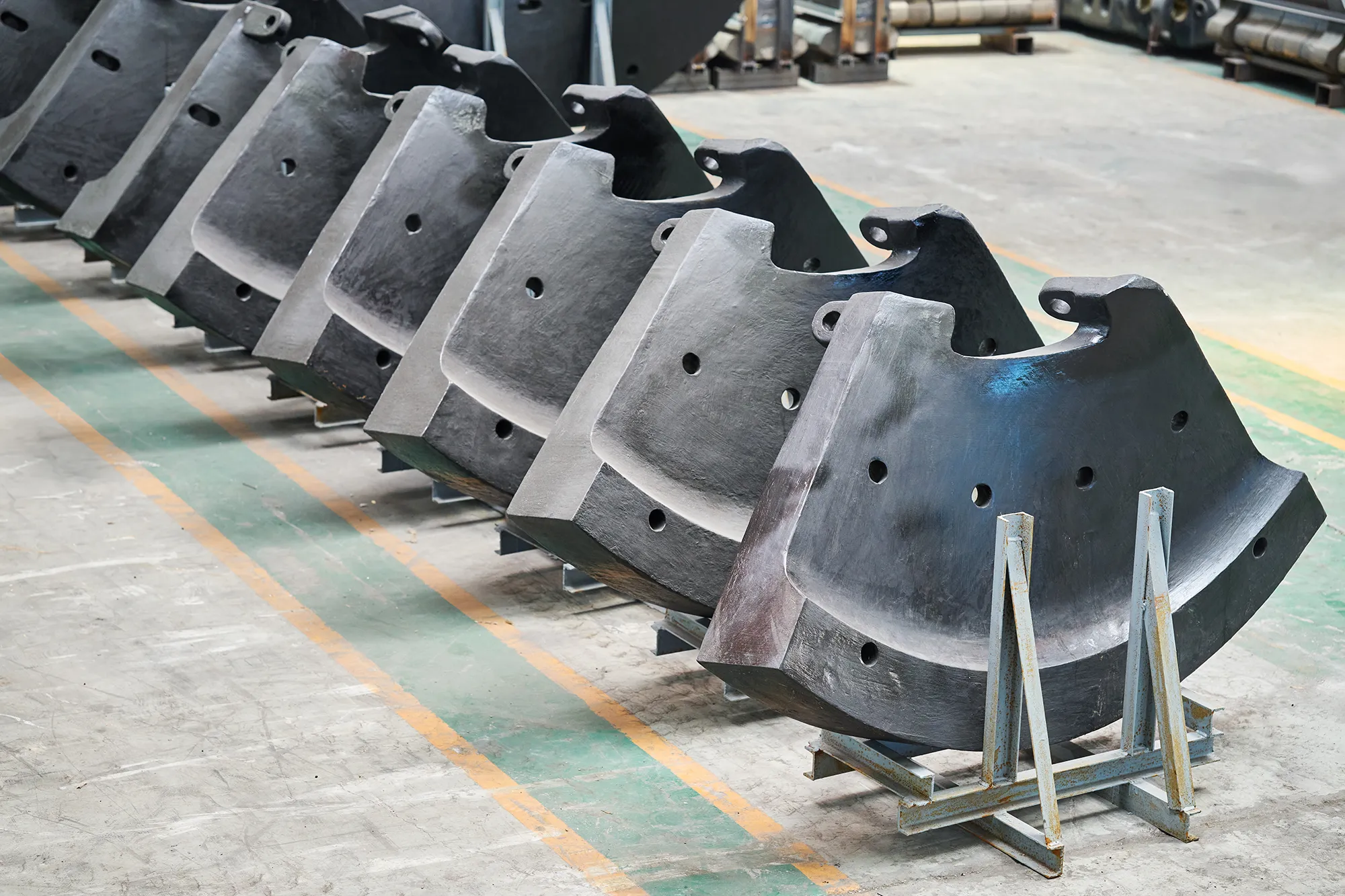
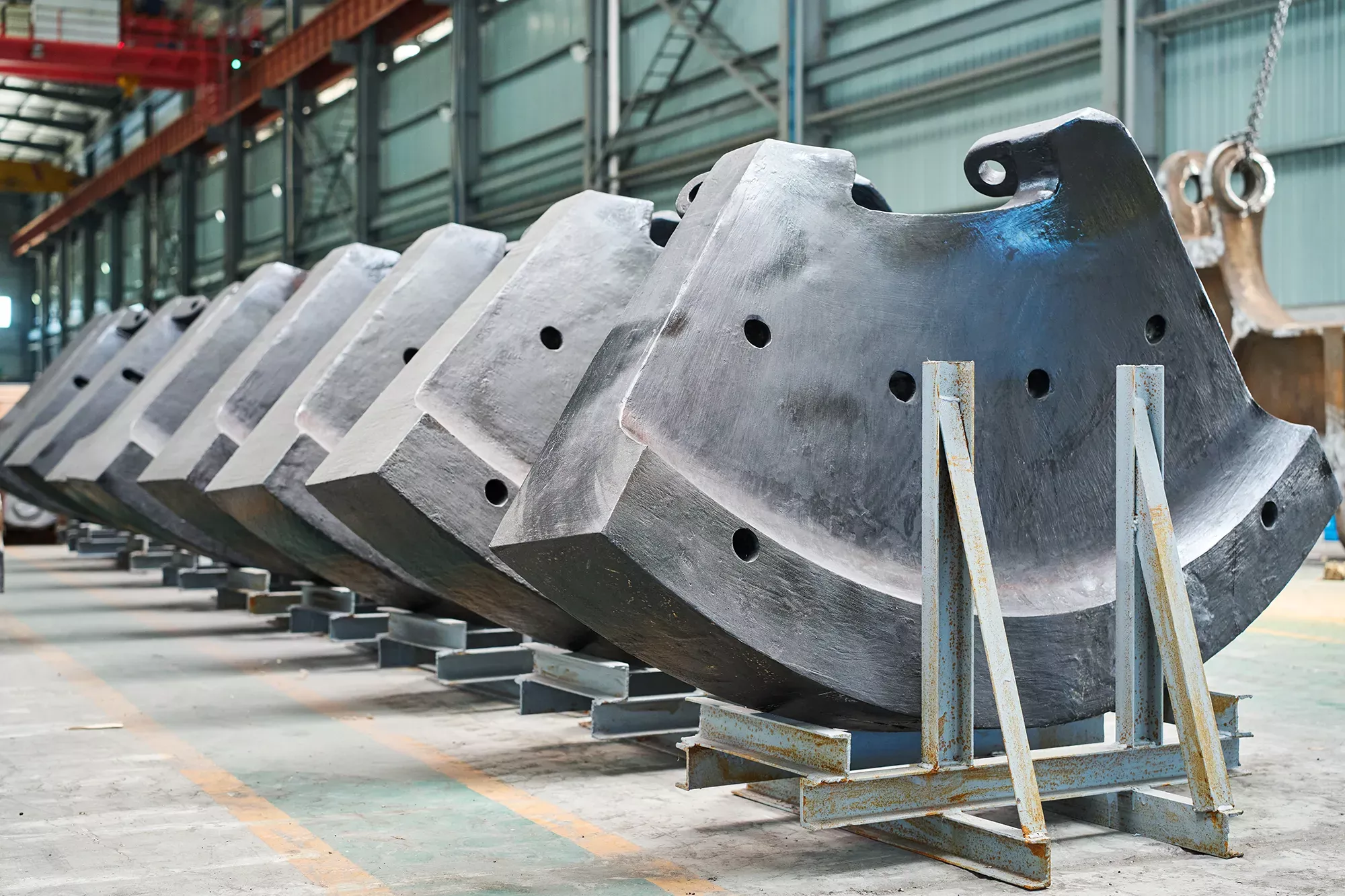
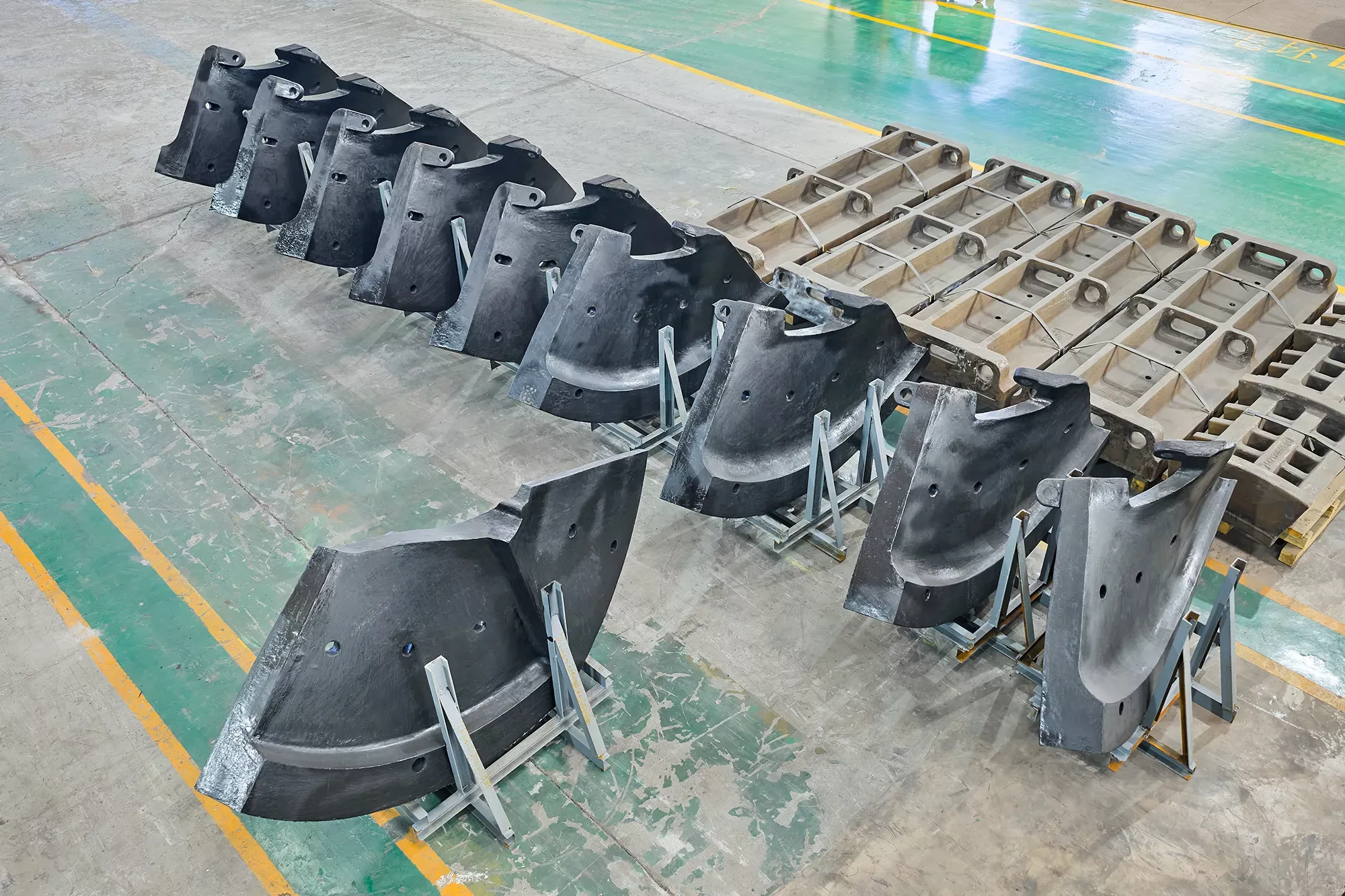
Vertical Mill Grinding Roll & Table Liners
|Engineered for Extreme Wear Protection, Efficiency & Cost Reduction
Vertical Roller Mills (VRMs) are the core of modern fine grinding in industries such as cement, mining, and power generation. At the heart of their efficient operation are the grinding roll and table liners—critical wear components that endure the most severe abrasion and impact. As a specialist manufacturer with over 14 years of expertise, Huasheng provides high-performance, customized liner solutions designed to maximize your mill’s productivity and minimize your total cost per ton.
Core Functions & Value Delivered
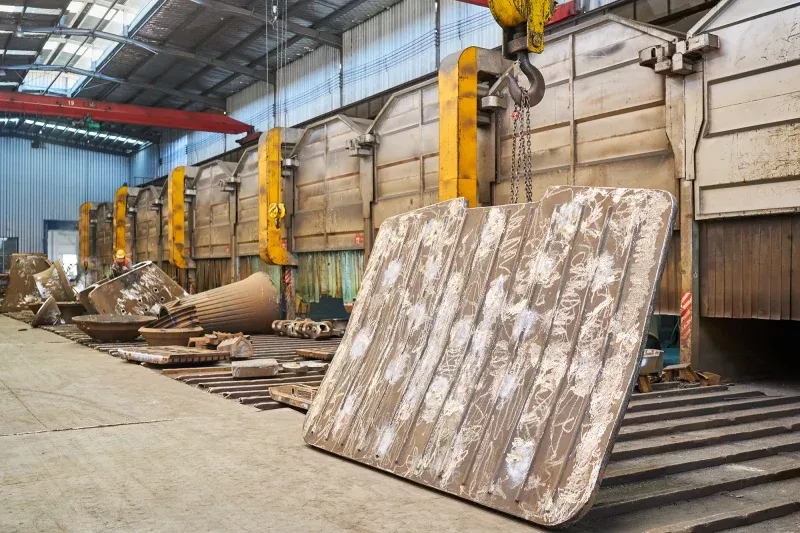
- Superior Wear Protection: During operation, materials like clinker, slag, and ore are ground under immense pressure between the rotating table and rolls. Our liners, as the primary wear surface, absorb this intense abrasion, shielding the mill’s core structural components from damage and significantly extending their service life.
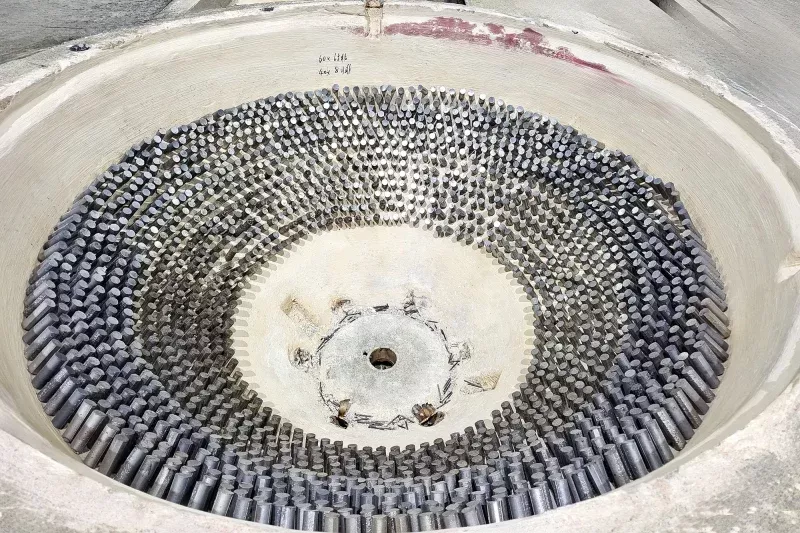
- Efficient Grinding Force Transmission & Bed Formation: Engineered for optimal structural integrity, our liners effectively transmit massive grinding forces to crush materials. Furthermore, our precisely designed table liner profiles (e.g., wave, segmented) guide material flow to form a stable and efficient grinding bed, directly enhancing milling efficiency and product quality.
- Reduced Operating Cost: By extending liner service life by 30-80% compared to conventional options, we directly reduce your frequency of shutdowns, parts replacement costs, and specific energy consumption per ton, delivering a demonstrable return on investment.
Key Characteristics & Material Technology
- Engineered for Extreme Conditions: Our liners are manufactured to offer exceptional wear resistance, high impact toughness, and long-term dimensional stability under continuous high-pressure, high-temperature operation.
- Advanced Material Portfolio: We provide the optimal material for your specific application, from premium high-manganese steels (ZG Mn13Cr2 to Mn22Cr2) and high-chromium cast irons to innovative composite solutions that combine a ductile base material with ultra-hard ceramic or carbide inserts for critical wear zones.
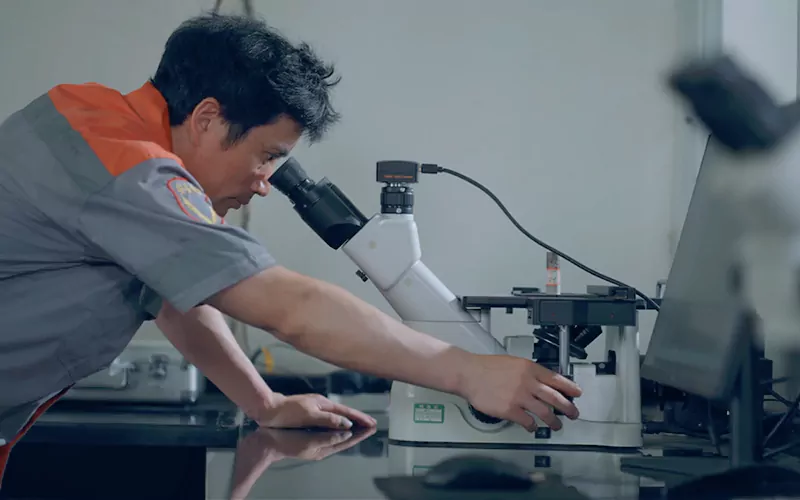
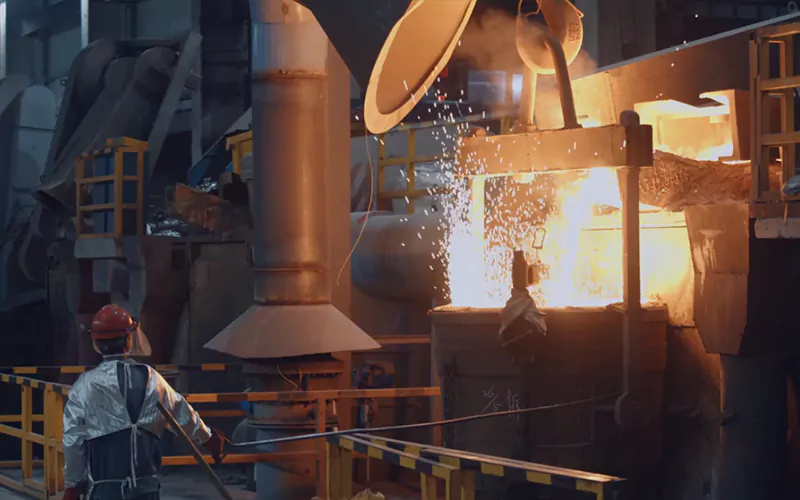
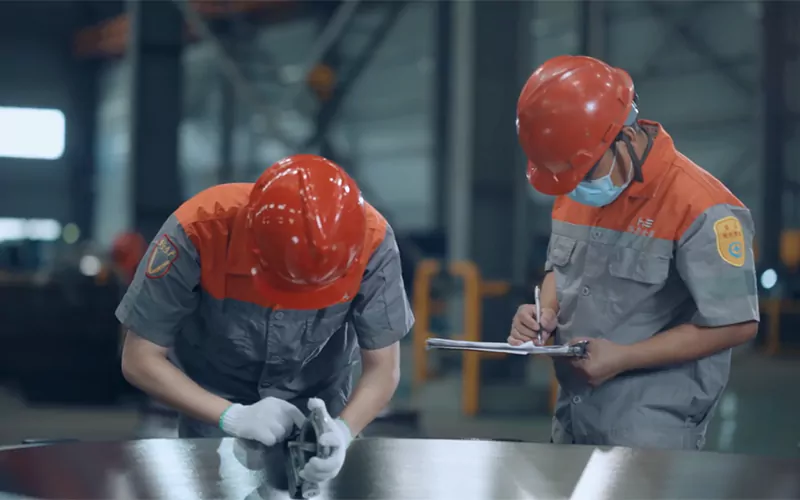
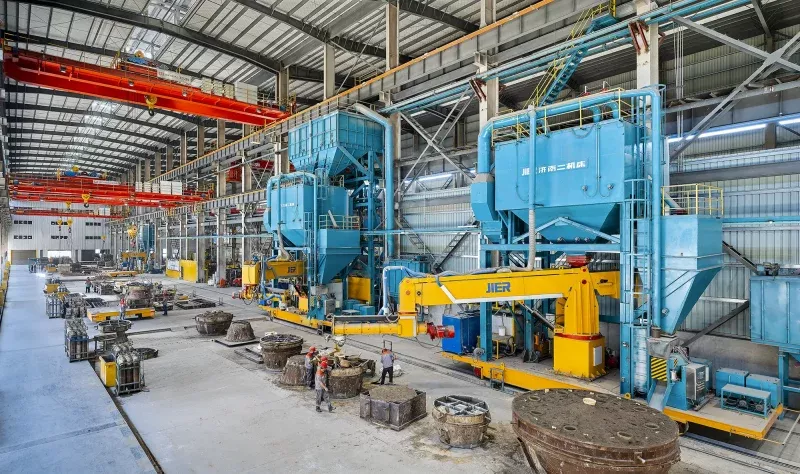
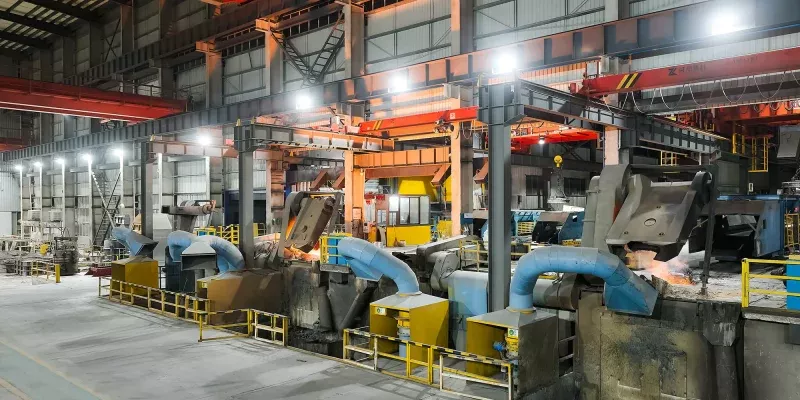
- Precision Manufacturing & Quality Control: Through optimized casting and controlled heat treatment processes, we ensure a dense, uniform microstructure with fine grain size (controlled to levels 2.5-4 per GBT6394), guaranteeing consistent performance and reliability batch after batch.
Application Expertise & Customized Solutions
Our liners are designed for a wide range of VRM models (including Loesche, Polysius, Atox, MLS, LM, and others) across key sectors:
- Cement Industry: Raw meal, clinker, and coal mills.
- Mining & Metallurgy: Slag micropowder and ore grinding mills.
- Power Generation: Coal pulverizing mills.
Your Grinding Process Partner
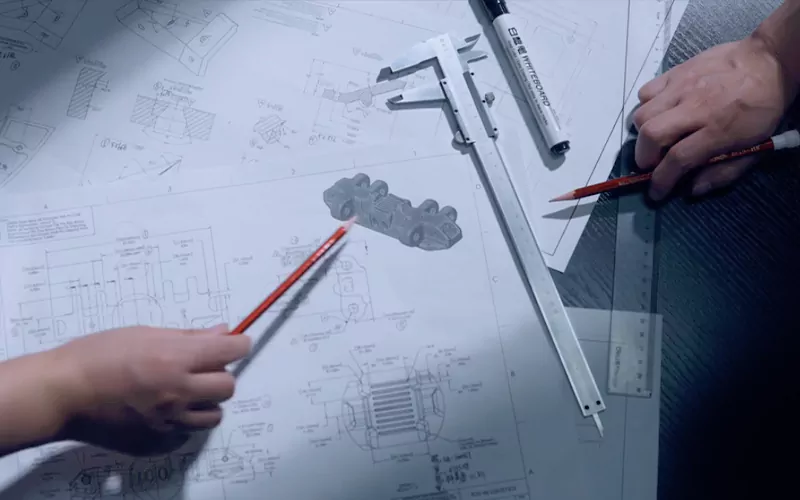
Huasheng is more than a parts supplier. Our technical team partners with you to provide comprehensive support—from initial liner design and material selection based on your specific material feed and operating conditions to maintenance planning and performance optimization. We are committed to maximizing your equipment availability and operational profitability.
Contact us today to discuss a customized liner solution for your vertical mill.